


Water Level Monitoring
From wetlands to water tanks, monitoring water levels is key to protecting resources and planning for the future
Why Does Accurate Water Level Monitoring Matter?
Water level is simply the height of water in a river, dam, groundwater well, or storage tank compared to a fixed point. It might sound straightforward, but monitoring water level is critical for understanding how water is moving, being stored, and being used over time.
From a technical perspective, water level is one of the most fundamental measurements in hydrology. It provides the baseline data needed to calculate flow rates, storage volumes, recharge rates, and tidal influence. Consistent monitoring allows conservationists, engineers, and decision-makers to evaluate long-term climate impacts, safeguard groundwater resources, and design infrastructure that’s resilient to change.
Offloading Water Level Data: What’s the Best Option?
No matter the application — whether you’re managing irrigation, monitoring groundwater, or tracking wetland health — the most important part of water level monitoring is being able to offload your data easily and reliably. How you retrieve data can influence how quickly you respond, the level of insight you gain, and the overall effectiveness of your monitoring program.
There are three main ways to offload water level data: Remote Monitoring, Bluetooth, and USB, each offering flexibility to suit different sites, project types, and workflows.
| Offload Method | How it Works | Key Benefits | Best For |
|---|---|---|---|
| Remote Monitoring | Data is transmitted via cellular or satellite to the cloud in real time | Instant access, automated alerts, long-term data storage | Remote or critical sites, continuous monitoring |
| Bluetooth | Data is downloaded wirelessly using a smartphone or tablet | Quick, easy field access without cables | Short- to medium-term projects, on-site teams |
| USB | Data is downloaded directly via a cable to a computer | Simple, reliable, no connectivity required | Sites without network access, offline analysis |
Frequently Asked Questions (FAQ)
What is water level monitoring used for in Australia?
Water level monitoring spans four main use cases in Australia:
- Agriculture — Bore and dam management for irrigation scheduling. Farmers use it to optimise water delivery, reduce waste, and protect crops during dry periods.
- Environmental compliance — River gauging, wetland monitoring, and flood warning systems. State water authorities and environmental teams rely on consistent data to track seasonal patterns and respond to extreme events.
- Stormwater and municipal management — Real-time monitoring to prevent flooding and manage urban runoff. Councils use it for infrastructure planning and emergency response.
- Industrial and process control — Tank level monitoring, regulatory compliance, and operational efficiency. Industries use it to detect problems early and minimise downtime.
What methods are used to measure water level?
Four main approaches dominate the market, each suited to different conditions:
- Pressure transducers (vented and sealed) are the workhorse for remote, unattended deployment. Vented sensors measure gauge pressure and suit stable environments; sealed sensors measure absolute pressure and handle extreme temperature swings.
- Float and pulley systems are simple, mechanical, and reliable in accessible locations but require regular servicing.
- Ultrasonic sensors work without contact, ideal where submersion isn’t an option, though they can be affected by debris and algae.
The right choice depends on your site (accessible or remote), conditions (stable or variable temperature), and maintenance capacity.
What are the Australian regulatory requirements for water level monitoring?
Water level monitoring requirements in Australia vary by state or territory, site type, and the purpose of the monitoring. In many cases, requirements are driven by state water authorities, environmental licences, development approvals, or site-specific permit conditions. The Bureau of Meteorology provides national water information guidelines and, in some cases, prescribed reporting obligations under the Water Act and Water Regulations. Additional requirements may also apply in the Murray-Darling Basin or through local stormwater approvals.
How do I deploy a water level data logger?
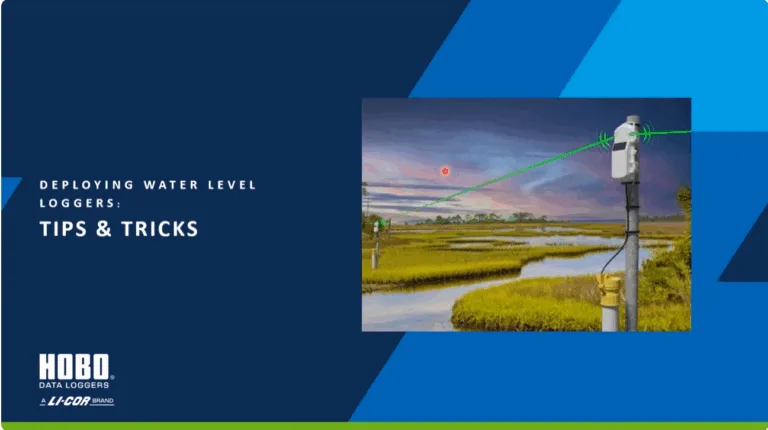
Deployment method affects reliability, data quality, and maintenance needs. Bore installations should account for temperature variation, cable protection, and whether the logger is vented or sealed. River deployments often need secure mounting, fouling control where necessary, and a way to retrieve or service the device safely. Tank installations are usually simpler, but you should still consider sediment, corrosion, access, and the shape of the tank. Site security and visibility can also help protect the equipment and reduce data loss. We can help you choose a deployment approach based on your site conditions and monitoring goals.
How much do water level monitoring solutions cost?
Cost depends on four drivers: monitoring area size, required accuracy, site accessibility, and data frequency.
A single water level logger can start from a few thousand dollars, while complex solutions covering multiple sites can cost up to tens of thousands.
We’ll scope your specific needs to give you an accurate figure.
What should I look for in a water level logger?
Start by answering these questions about your deployment:
Is it saltwater or freshwater? How often do you need data? Can you access the site regularly, or is it remote?
These answers shape everything else. A remote bore needs different specs than an accessible river site. Saltwater demands corrosion-resistant materials. Frequent site visits change your battery life requirements.
Once you’ve mapped your deployment, focus on three things: accuracy (what tolerance does your measurement actually need?), sensor type (vented or sealed?), and build quality (will it survive your specific environment?).
In remote deployments, battery life matters more. In harsh conditions, material durability matters more. Local support and spare parts availability matter more than brand reputation.
We work with equipment proven in Australian field conditions. Talk to us about your site specifics, and we’ll point you to what actually works there, not what looks good on a spec sheet.
Where Can I Learn More About Water Level Monitoring in Practice?
These case studies provide real world examples of how data loggers support environmental monitoring.


To learn about the ideal solution for your environmental monitoring project, call us now at (hotlink to phone number) or fill out the form below to connect with our team and explore environmental monitoring solutions.
Ready to Start Monitoring?
Accurate water level data is the foundation of smarter, more informed decisions — no matter your application. From groundwater management to irrigation, environmental monitoring, or industrial research, OneTemp offers a complete range of sensors and solutions to meet your needs.
Explore our full range of water level monitoring products and find the right tools for your project.


