


How Can You Measure How Your Commercial, Retail & Industrial Spaces Are Used?
One Temp provides people counting and cccupancy monitoring solutions give facility and building managers real-time insight into how spaces are used, tracking occupancy, movement, and dwell times, without collecting personal data. This data turns guesswork into actionable intelligence, helping you make informed decisions about operations, staffing, energy use, and space planning.
What Happens When You Don’t Understand Occupancy Levels and Traffic Flow?
- Over- or under-servicing restrooms and shared amenities
- HVAC systems running in unoccupied rooms or areas
- Inefficient staffing during peak and off-peak periods
- Limited visibility into space utilisation and occupancy patterns
- Difficulty justifying operational changes with measurable insights
- Compliance risks related to occupancy limits
From offices and university housing to retail stores, shopping centres, restrooms and public facilities, understanding how people move through and use your spaces is the first step toward smarter operations.
Are you managing spaces — or guessing how they’re used?
| Explore People Counting Sensors | Explore Occupancy Sensors |
Where Can Smart Occupancy & People Counting Make an Impact?
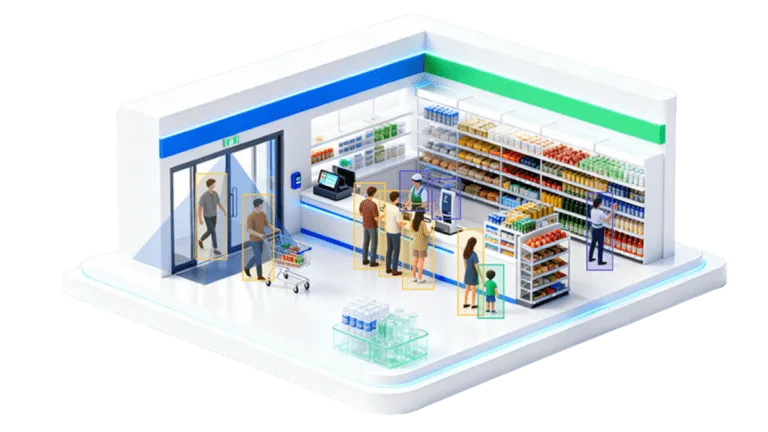
Retail & Shopping Centres
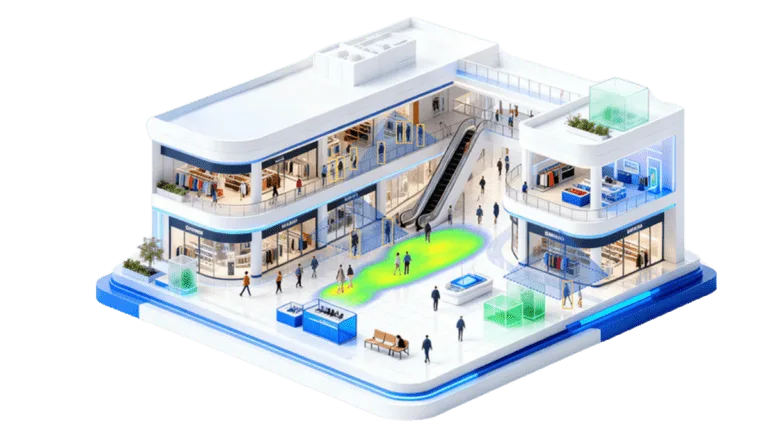
Understanding how customers move through stores and malls is key to optimising layouts, staff allocation, and marketing effectiveness. People sensing delivers actionable insights that improve customer experience, operational efficiency, and overall sales performance.

What Pain Points Can Occupancy Sensors Help Solve?
- Unclear understanding of peak traffic times and flow patterns
- Inefficient staff scheduling leading to over- or under-staffed periods
- Layout and merchandising decisions based on assumptions rather than data
- Difficulty measuring the impact of promotions and campaigns
- Long queues or overcrowded areas affecting customer satisfaction
How People Sensing Helps
People sensing tracks foot traffic, dwell times, and zone movement to optimise staffing and store layout. Heatmaps and zone analytics reveal high- and low-performing areas, while demographic insights support smarter merchandising and marketing decisions, turning visitor behaviour into measurable strategy.
Want to learn more? Download the Retail People Sensing Whitepaper
Discover how leading retail locations are using AI-powered people sensing to optimise operations, improve customer experience, and make data-driven decisions. Learn how foot traffic, dwell times, and demographic insights can drive smarter staffing, layouts, and promotions. Fill in the form below and request your copy.
Offices & Smart Buildings
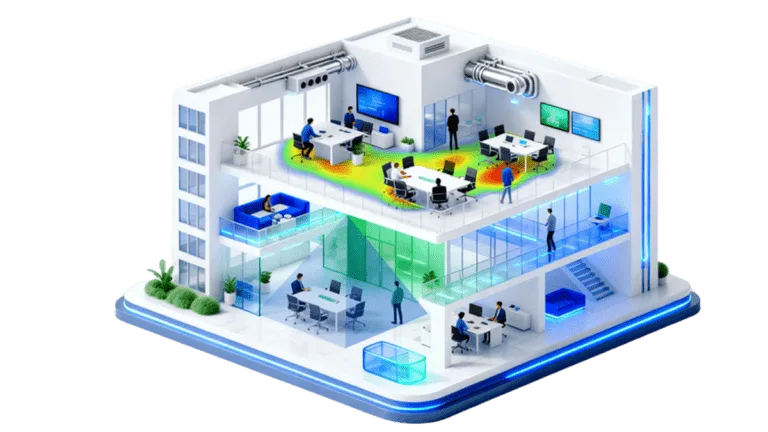
From corporate offices and co-working spaces to university housing, understanding how spaces are actually used helps facility managers optimise operations, reduce energy costs, and improve occupant comfort. People sensing data provides the insights you need to make smart decisions, whether it’s room-level HVAC control or workspace utilisation. In Australia, occupancy-driven HVAC automation aligns with NCC Part J energy efficiency requirements, while workplace occupancy must also comply with state-based WHS regulations for safe building use.

What Pain Points Can Occupancy Sensors Help Solve?
- Rooms and zones under- or over-utilised
- Energy waste due to HVAC or lighting running in empty areas
- Difficulty scheduling cleaning or maintenance efficiently
- Limited visibility of meeting room or workspace occupancy
- Planning new layouts or expansions without accurate usage data
How People Sensing Helps
Real-time occupancy data enables smarter HVAC and lighting control, optimised cleaning schedules, and informed space planning, helping managers make confident operational decisions.
Restrooms & Shared Amenities
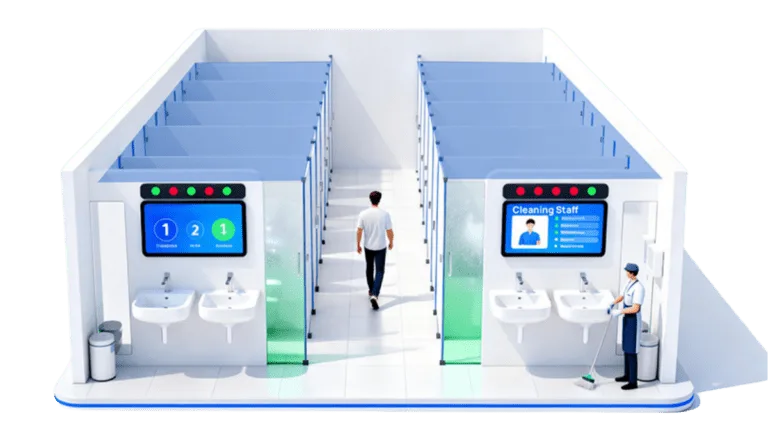
High-traffic restrooms and shared facilities are often challenging to maintain efficiently. People sensing allows facility managers to monitor usage in real time, optimising cleaning schedules, reducing maintenance costs, and ensuring a consistently positive user experience.

What Pain Points Can Occupancy Sensors Help Solve?
- Cleaning and maintenance schedules are based on estimates rather than actual usage
- Over-servicing low-traffic areas or missing high-traffic periods
- Poor visibility of occupancy leading to hygiene or compliance issues
- Difficulty planning staffing for peak usage times
- Lack of data to justify operational decisions
How People Sensing Helps
Real-time occupancy data enables dynamic cleaning schedules, better staffing allocation, and improved hygiene compliance.
Healthcare & Public Facilities
Hospitals, clinics, libraries, and other public spaces require careful management to ensure efficiency, safety, and compliance. People sensing provides accurate, real-time occupancy data to optimise operations and resource allocation across these complex environments. In Australia, organisations should assess whether people‑counting data includes personal information and, if so, comply with the Privacy Act 1988 and OAIC guidance, as well as any applicable state or territory surveillance laws.

What Pain Points Can Occupancy Sensors Help Solve?
- Uncertainty around patient, staff, or visitor flow patterns
- Overcrowding in waiting areas or lobbies
- Inefficient allocation of staff and cleaning resources
- Difficulty ensuring compliance with occupancy or safety regulations
- Limited insight into space usage for planning renovations or expansions
How People Sensing Helps
Occupancy and movement data helps optimise staffing, improve flow, and support compliance — making facility operations safer and more efficient. In clinical environments, advanced sensing capabilities such as fall detection can also improve patient safety by alerting staff to potential incidents in real time.
In Australia, a vape detector Australia solution helps maintain safety in public spaces.
Transport Hubs & High-Traffic Spaces
Airports, train stations, stadiums, and other high-traffic public venues require real-time visibility to manage crowds, optimise operations, and maintain safety. People sensing technology provides actionable data to ensure smooth, efficient movement through these complex spaces.

What Pain Points Can Occupancy Sensors Help Solve?
- Difficulty monitoring real-time crowd density and flow
- Inefficient staffing or security deployment during peak times
- Congestion in key areas affecting operations and passenger experience
- Limited ability to plan for events, disruptions, or seasonal peaks
- Safety and compliance risks in high-density areas
How People Sensing Helps
Real-time occupancy and flow data supports crowd management, optimised staffing, and safer, more efficient operations.

Do People Counters Collect Personal Data?
People counting combines advanced sensors, AI, and analytics to track occupancy, movement, and space utilization in real time. The technology is anonymous and GDPR-compliant, delivering actionable insights without collecting personal data. Compliant with Australian Privacy Principles (APPs) and GDPR where applicable.
Workplace Health and Safety (WHS) regulations by state govern occupancy limits in workplaces, not GDPR.
Ready to turn occupancy insights into smarter spaces?
Explore our people counting solutions
How Do Occupancy Sensors Improve Profitability?
People counting combines advanced sensors, AI, and analytics to track occupancy, movement, and space utilisation in real time. The technology is anonymous and GDPR-compliant, delivering actionable insights without collecting personal data.
Core Benefits:
- Operational Efficiency: Optimise cleaning, maintenance, and staffing based on actual space usage.
- Energy Savings: Reduce HVAC and lighting waste by adjusting systems to real occupancy.
- Space Optimisation: Plan layouts, expansions, and resource allocation with accurate data.
- Safety & Compliance: Monitor occupancy limits and crowd density for safer spaces.
- Data-Driven Decisions: Turn real-world activity into insights that support smarter operational choices.
Whitepaper: Common Technologies Used in People Counting
Learn more about the advanced technologies behind people counting sensors? This whitepaper from Milesight dives into the technology driving these systems and the real-world impact they deliver.
How Much Do Occupancy Sensors Solutions Cost?
The cost of Occupancy Sensors can range significantly based upon the amount of area being monitored, the degree of accuracy required, accessibility and frequency of data needed. Entry-level systems can start from a few thousand dollars, while multi-site deployments can reach into the tens or hundreds of thousands. Scoping your requirements clearly from the outset helps avoid over- or under-specifying the solution.
One-Temp is an Australia based ISO-9001 certified firm and distributor for the leading People Counting sensor product brands. Our experienced technicians are available to help you select the best products and technologies for your building or facility.
Have questions or need help specifying the right occupancy sensor solution?
Call us at 1300 768 887 or request a call to connect with our team and find the best fit for your monitoring needs.

