
Why Does Wetland Ecosystem Monitoring Matter?
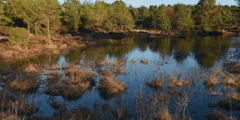
Wetland Mitigation Monitoring is essential for projects that depend on accurate, long-term monitoring data to assess ecosystem health, guide restoration efforts, and demonstrate regulatory compliance. As urban development and stormwater runoff place increasing pressure on natural systems, reliable water level and water quality data have become more important than ever.
OneTemp’s monitoring solutions help environmental professionals capture the data needed to understand wetland performance and support effective mitigation strategies to protect, restore and manage wetland ecosystems.
Regulatory Importance of Wetland Monitoring in Australia
Wetland monitoring in Australia is guided by key environmental frameworks. Under the Environment Protection and Biodiversity Conservation (EPBC) Act EPBC Act, monitoring is required for projects that may affect protected or sensitive wetland areas, ensuring environmental impacts are properly assessed and managed.
Many wetlands are also protected under the Ramsar Convention on Wetlands Ramsar Wetlands, which includes 66 internationally significant wetland sites in Australia that require ongoing ecological monitoring.
At the state level, programs such as the NSW Biodiversity Conservation Act and Victorian biodiversity frameworks rely on long-term environmental data to assess habitat condition and support restoration and mitigation efforts.
Together, these frameworks highlight the importance of continuous wetland monitoring to support compliance, conservation, and sustainable environmental management in Australia.
Key Parameters for Wetland Mitigation
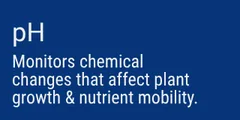
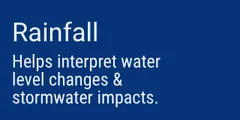
Monitoring the right parameters helps paint a complete picture of wetland health.




Who Uses Wetland Mitigation Monitoring?
Wetland mitigation monitoring is most often driven by regulatory compliance, with data used to verify performance, manage risk, and support long-term environmental outcomes.
EPBC Act and Ramsar Wetland Monitoring Requirements
Under the EPBC Act, environmental projects often require sensor-based monitoring to assess wetland condition, including water level, temperature, and water quality for compliance and reporting.
Wetlands listed under the Ramsar Convention also require ongoing ecological monitoring to protect their environmental value and track long-term changes.
For compliance-focused projects, common monitoring tools include water level loggers, temperature sensors, and multiparameter water quality systems.
Wetland Monitoring Tool Comparison
Use this table to quickly identify which HOBO data logger best fits your wetland monitoring requirements and data collection needs.
MX800 Multiparameter Logger | MX20L Water Level | MX2001 Water Level | MX2501 pH & Temp | MX2502 Underwater PAR Data Logger | MX2201 Pendant Temp Data Logger | MicroRX Water Level / Flow Kit | |
| Temperature |  | | | | | | |
| Conductivity | | ||||||
| Dissolved Oxygen | | ||||||
| pH | | ||||||
| Water Level | | | | | |||
| PAR | | ||||||
| Connectivity | Bluetooth | Bluetooth | Bluetooth | Bluetooth | Bluetooth | Bluetooth | 4G |
View Monitoring Solutions for Wetland Mitigation
Still not sure where to start? Speak with a monitoring specialist
Deploying in the Field
Wetland monitoring sites are often remote, seasonally inaccessible, and subject to variable water levels and biofouling. OneTemp’s HOBO monitoring solutions are designed for long-term unattended deployment, with wireless data offload via HOBOconnect so teams can retrieve data without opening loggers or returning to site unnecessarily.
For projects across Australia’s diverse wetland environments, from coastal freshwater systems to brackish estuaries, local stock availability and technical support mean you can move from instrument selection to deployment without the delays of international lead times. If you’re still deciding on the right logger and connectivity setup, our water monitoring best practices guide is a useful starting point.
Frequently Asked Questions (FAQ)
How Much Does Wetland Monitoring Cost?
The cost of a wetland monitoring solution varies significantly depending on the size of the area being monitored, the parameters being measured, site accessibility, and how frequently data needs to be collected. A basic single-site setup can start from a few thousand dollars, while a comprehensive multi-parameter solution covering multiple sites reach into the tens of thousands. Our team can help you scope the right solution for your project and budget.
Who Makes Wetland Monitoring Equipment?
Where Can I Learn More About Wetland Monitoring in Practice?
These resources provide real-world examples of how data loggers support wetland monitoring and mitigation projects.
Case Study Understanding Wetland Water Movement
How continuous water level and weather monitoring helped a conservation organisation understand how a large wetland system responded to rainfall and storm events, and quantify its impact on downstream hydrology. Read the case studyHOBO Water Quality Monitoring Resources
Practical deployment guidance for HOBO water level and water quality loggers in the field, covering setup, configuration, and data collection.

