Understanding water loss in wetlands and natural ecosystems
For researchers and environmental consultants, understanding how water moves through landscapes is critical. In wetlands and other sensitive ecosystems, small changes in water balance can have major impacts on plant communities, habitat health, and long-term ecosystem stability.
This is where evapotranspiration (ET) becomes an essential metric. By quantifying how much water is lost from soil and vegetation to the atmosphere, ET helps researchers assess wetland hydrology, support restoration efforts, and improve long-term monitoring programs.
To support this work, LI-COR Cloud now includes an evapotranspiration calculation, turning environmental sensor data into a clear, actionable measurement for wetland and water-resource applications.
What is Evapotranspiration?
Evapotranspiration is the combined water loss from land surfaces and vegetation into the air. It consists of two processes:
- Evaporation — water turning into vapor from soil, open water, or saturated surfaces
- Transpiration — water released as vapor through plant leaves
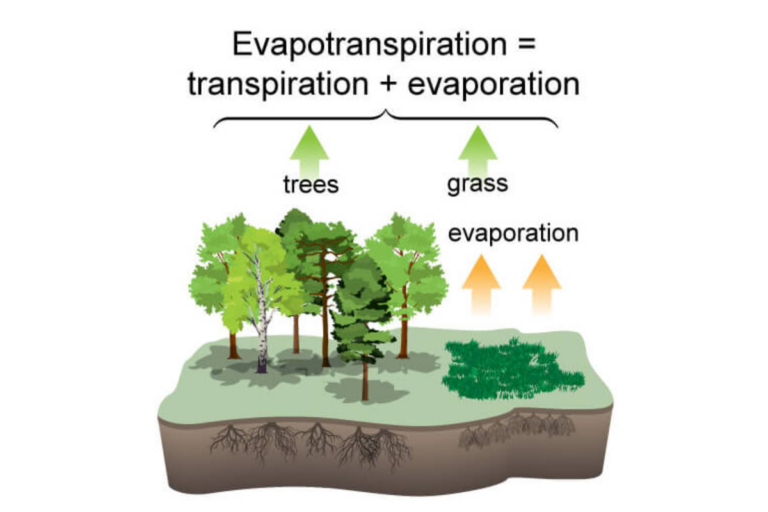
Together, these processes represent the total movement of water from the land to the atmosphere. For wetland researchers, ET provides critical insight into ecosystem water balance, vegetation water use, and seasonal changes in hydrology.
Why Evapotranspiration is Important
Evapotranspiration plays a key role in understanding and managing water availability across natural and managed systems. In wetlands, ET helps researchers evaluate water loss rates, assess restoration success, and understand how ecosystems respond to climate variability and drought.
Beyond environmental research, ET also supports decision-making in agriculture, greenhouse management, and water resource planning:
| Sector | Why ET Matters | Example Use Case |
| Environmental Researchers | Ecosystem water balance | Monitoring wetland hydrology and restoration outcomes |
| Water Resource Managers | Water availability planning | Allocating water for ecosystems, farms, and communities |
| Farmers & Growers | Irrigation management | Optimising watering schedules for crops |
| Greenhouse Managers | Plant water control | Preventing overwatering of sensitive plants |
How Evapotranspiration is Calculated
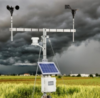
Evapotranspiration is calculated using environmental variables such as temperature, humidity, solar radiation, and wind speed. These inputs are used in established models like the Penman-Monteith equation or derived from data collected by environmental monitoring stations, providing reliable ET estimates for wetland and ecosystem studies.
LI-COR Cloud and ET: Turning Data into Insight
LI-COR Cloud calculates evapotranspiration automatically by combining key sensor inputs into a single, accessible metric. This removes the need for manual calculations and allows researchers to quickly assess ecosystem water loss, compare sites, and analyse seasonal or climate-driven trends. The same ET insights can also support irrigation planning and water-use efficiency.
Key Takeaways
Evapotranspiration is a critical measurement for understanding water movement in wetlands and other ecosystems, as well as for managing irrigation and water resources more broadly. Accurate ET estimates rely on multiple environmental inputs, but modern monitoring systems make this information easier to access than ever.
With ET calculation now available in LI-COR Cloud, researchers and water managers can turn environmental data into actionable insights — supporting better ecosystem management, smarter water use, and more informed long-term decisions.